


Blog
How Can an Attorney Help You File for a Protective Order in Domestic Violence Cases?
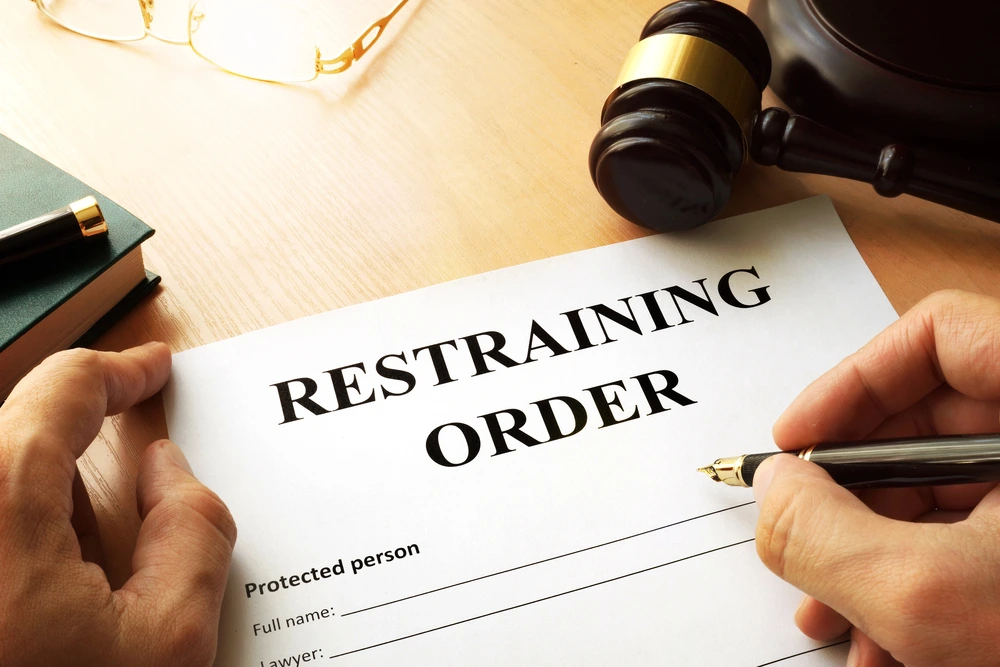
If you’re facing domestic violence or worried someone close to you is, you may want to make use of a protective order. This is a concrete legal tool that limits an abuser’s contact and lays out enforceable rules. Protective orders are civil court orders tied to specific statutory language, meaning that you’ll need the help of a domestic violence attorney in San Antonio, TX, to file successfully.
How Can an Attorney Help You File for a Protective Order in Domestic Violence Cases?
Determining Status
An attorney will first check if your situation fits the legal definition of “family violence” and whether you qualify to file. Family violence is a broad term and includes assault, threats, stalking, and certain other abusive behavior when it involves a family or household member.
Why This Matters
The court can only issue a protective order if your relationship with the alleged abuser and the conduct meet the statutory definitions.
Example
If you’re being stalked by someone you dated but never lived with, you would not be able to file for a protective order under family violence statutes. We can make sure that you file correctly instead of filing under a household-member provision that wouldn’t apply to your case and is likely to be rejected.
Drafting the Application to Match Statutory Language
Your application needs to state facts showing that family violence occurred and is likely to happen again. We can phrase your petition so it maps directly onto those legal requirements.
Why This Matters
Judges have to make specific findings according to the wording of the Texas Family Code. If the application doesn’t allege both past violence and likelihood of future violence, the court may deny it.
Example
Instead of writing something vague like “we had a fight,” we might instead word your petition this way: “On July 8, 2025, the respondent struck me in the face, causing swelling documented in the attached hospital records, and on July 10, 2025, threatened to ‘come back and finish it.’” This emphasizes the events that are relevant to meeting the terms of the law.
Gathering and Organizing Evidence for the Hearing
We know what evidence is needed for protective orders, such as police reports, 911 call logs, medical records, photos, witness statements, threatening texts, and social media messages.
Why This Matters
The judge must decide whether violence is likely to occur again; evidence that we can provide of escalation or repeated threats strengthens this finding.
Example
We might subpoena hospital records showing prior injuries and prepare witnesses to testify about recent threats, tying each piece of evidence to the statutory elements.
Requesting an Ex Parte Temporary Protective Order
In urgent situations, we can prepare and file a request for an ex parte temporary protective order, which can be granted without notifying the other party first.
Why This Matters
This gives you immediate legal protection until the time of the full hearing.
Example
If you have experienced a violent incident, we can file for an ex parte order the same day, getting a judge’s signature that requires the abuser to stay away from you until the court date.
Asking for Specific Protections in the Final Order
The court is legally permitted to impose many conditions when it comes to the specifics of a protective order. These may include stay-away orders, possession of a residence, surrender of firearms, counseling requirements, and more. We can work with you to make sure you request conditions that are relevant to your situation.
Why This Matters
If you don’t ask, the judge might not automatically include certain protections that you need.
Example
If your abuser has keys to your home, we can request a provision ordering them to surrender the keys and stay at least 500 feet away.
Handling Service and Law Enforcement Coordination
A protective order must be served on the respondent before it can be enforced. We can coordinate with constables or sheriffs to get the order served quickly and entered into law enforcement databases.
Why This Matters
Fast service means faster enforceability.
Example
If the respondent is avoiding being served, we can request alternative service methods allowed by Texas rules so the order is enforceable sooner.
Representing You at the Hearing
At the final hearing, we will present evidence, question witnesses, object to improper evidence, and argue why the court should make the findings required by the legal statute.
Why This Matters
The respondent has the right to defend against the order, so effective courtroom advocacy can make the difference between getting an order and being denied.
Example
If the other side claims the incident was “just an argument,” we can use photos, police testimony, and text messages to prove that the “argument” meets the statutory definition of family violence.
Seeking the Longest Duration Allowed
Texas protective orders are typically for up to two years, but certain findings allow for longer durations.
Why This Matters
If you meet the criteria, we can argue for a longer order so you don’t have to reapply so often.
Example
We may be able to show that a past assault resulted in felony charges, which would qualify the order for a longer term.
Preparing You for Cross-Examination
We will make sure you are prepared to answer questions truthfully and clearly during cross-examination, helping you avoid being tripped up or intimidated.
Why This Matters
Even with strong evidence, a nervous or inconsistent witness can weaken a case.
Example
Before the hearing, we might role-play asking you questions as if from opposing counsel to make sure that you’re ready to respond confidently and not become distressed or distracted by hostile comments or questions.
Addressing Related Issues Like Custody or Support
Protective orders can intersect with child custody and support under the Family Code. We are able to coordinate requests so your safety and your children’s well-being are both addressed.
Why This Matters
The court can include provisions about temporary custody and visitation in the protective order.
Example
If your abuser insists on coming by your house to pick up your child, we may request that the order specify exchanges happen at a police station instead, so that you can feel safe in your home.
Advising on Criminal Consequences and Enforcement
Violating a protective order is a criminal offense in Texas. We can help you to report violations and coordinate with prosecutors if charges are filed.
Why This Matters
Knowing how to respond to violations makes the order more effective.
Example
If your abuser sends you texts in violation of the order, we can help you to document these breaches and report them to the police so that they can act.
Consult a Domestic Violence Attorney in San Antonio, TX
We know this area of the law can be life-saving for those who need it, and we know all the small but important procedural steps that make the process possible: drafting applications to match statutory elements, assembling and presenting persuasive evidence, securing temporary protection fast, and obtaining tailored final orders that reflect the full scope of available protections.
If you need a protective order, act promptly. We are ready to get started making sure you are safe, so reach out to us at the Rojas Law Firm in San Antonio, TX, to make an appointment.


Click here to subscribe to our YouTube Channel.
When Trust Matters
Schedule
Your Consultation
Client Intake
Información del cliente en Español
Fields Marked With An ” *” Are Required

Contact Us
Call Our Experts Today 210-299-4600
Copyright © 2026 Aida Rojas Law Firm. All Rights Reserved.